Excess electronic components could be someone else's supply
As critical components become harder to secure, surplus held by one organization can become a valuable supply for another.
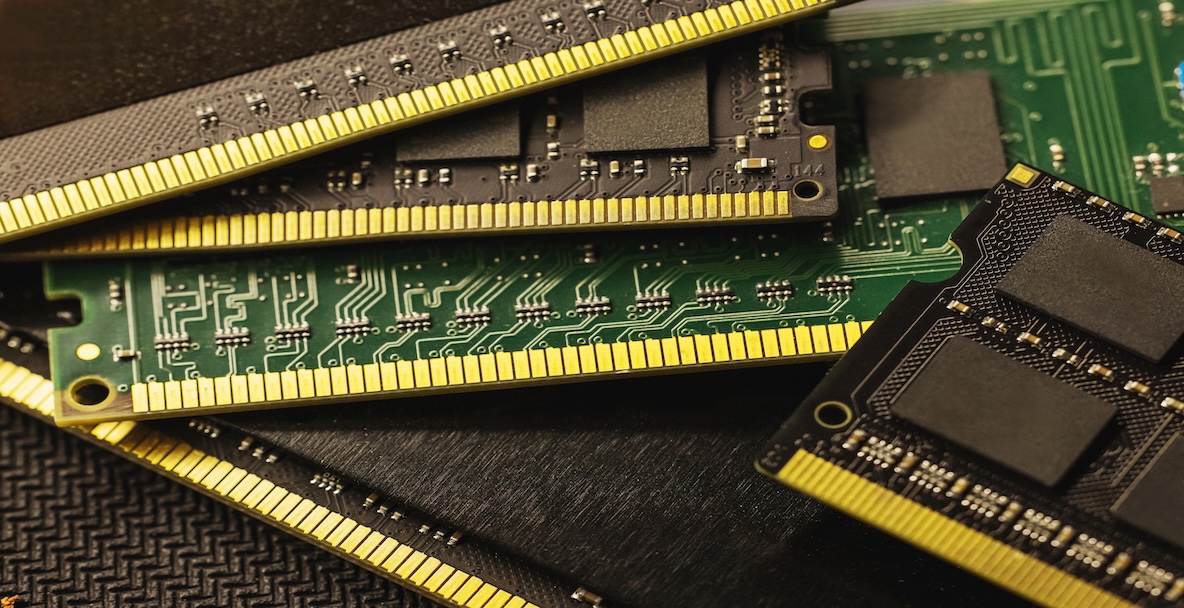
The electronics industry has moved from widespread inventory correction back toward tightened supply stemming from the overwhelming pressure of AI demand. Availability has disappeared for months if not years for critical components, leaving many organizations contending with Tier 1 organizations for only a portion of what they need. In the dawn of this “new normal” analysts are urging procurement teams to look beyond traditional sourcing channels and seek out supply where they least expect it.
Short supply and excess inventory can exist at the same time
Lead times are stretching and suppliers have pushed round after round of price increases in 2026 even as allocation has returned for many critical electronic components. The idea of usable inventory sitting idle across the industry seems like a contradiction in this environment, but it is not. Surplus and shortage regularly exist side-by-side, and the components one company no longer needs are often the very same parts another can’t find on the open market.
Excess is rarely the result of a single bad decision. Instead, the ordinary challenges of running a production business leave many manufacturers with too much inventory. Demand forecasts change, customers cancel orders, programs are cut before they reach volume. An engineering change can leave parts qualified for an earlier design without a home. Components can also become obsolete within one application while staying in demand elsewhere.
Commercial terms often compound these production-related factors. Minimum-order requirements can force buyers to take on more inventory than a roadmap requires. Likewise, non-cancellable, non-returnable (NCNR) commitments can keep components arriving long after the demand that justified the original order has faded. Strategic buys placed to hedge against shortages can also outlive their purpose once a program changes direction.
Buying behavior during the pandemic showed how quickly these pressures can add up. Panic buying and double ordering created significant inventory overhang and obfuscated demand forecasts across the industry. When consumer demand weakened, many manufacturers were left with an average of six months of excess.
Today’s imbalance has less to do with market uncertainty and more to do with AI infrastructure buildouts and hyperscaler procurement devouring a disproportionate share of available supply. Memory supply, in particular, is being choked by long-term agreements and committed volumes, leaving smaller buyers fighting for the leftovers. But the industry is not short of components everywhere. Supply is concentrated in fewer hands, and that concentration is often exposed to the same forecast revisions and program changes that create excess elsewhere in the market, creating a valuable opportunity for buyers in search of those stockpiled components.
Idle inventory has a cost, but today it may also have greater value
Excess inventory is rarely a neutral asset for the company that holds it. Unused components carry a financial and operational burden that grows the longer they sit. Surplus stock can:
- Tie up working capital
- Occupy warehouse space
- Carry storage and handling costs, particularly for moisture- and ESD-sensitive parts
- Lose value as products age
- Move closer to eventual obsolescence
- Become stranded following demand changes
Those pressures have traditionally pushed excess inventory holders toward fast liquidation, usually at a discount. In a constrained market like today’s the same inventory looks very different from the other side of the equation. For a buyer facing allocation ordering and unavailability through primary channels, another organization’s excess stock represents:
- Immediate availability
- An alternative to extended factory lead times
- Continued support for legacy production
- Supply for components approaching EOL
- A way to keep production lines running while new capacity remains constrained
As the industry navigates its current cycle of tightness, organizations would be wise to start thinking outside the box when looking for inventory. Gartner analyst Cori Masters shared that she is advising procurement buyers that future memory availability may come from hyperscalers and AI companies rather than through traditional supplier-to-buyer paths.
The largest AI and cloud operators have locked in enormous volumes through long-term agreements and committed orders. While these orders are sized for aggressive deployment roadmaps, should those plans fall short, the excess has to go somewhere.
When a data center is delayed or a program is scaled back, the contracted inventory doesn’t disappear, though it may not be visible when looking through traditional channels. For a manufacturer short on memory, that surplus may be one of the most realistic sources of supply to keep production lines running.
Stop treating excess as dead stock
What manufacturers should do with excess component inventory depends less on the parts than on what the business needs from them. That might be cash, flexibility, lower risk, or supply security later on. Organizations defaulting to liquidation for all surplus leave behind value that could instead benefit operations in more targeted ways.
Redeploy it internally
Often, the ideal solution is to identify if surplus inventory can support another product, facility, or customer program internally. Multi-site manufacturers may hold excess at one location while another site orders the same parts. Excess stock can also potentially serve as a drop-in replacement or form-fit-function alternate in products with steadier demand, again cutting back on new purchase orders.
Remarket it where demand exists
Usable inventory without an internal home can return to circulation. With lead times at major manufacturers for many components on the rise, in-demand parts with clear traceability find buyers quickly. Sellers who document storage conditions, date codes, and provenance make their stock far more attractive to buyers who are rightly cautious about counterfeit risk.
Sell it outright
Holding inventory often offers little strategic benefit, especially compared to the fast working capital gained through a direct sale. Selling excess to a company that needs the stock today is one of the simplest ways to recover capital while simultaneously cutting the costs of storage, handling, and depreciation.
Hold it strategically
Of course, not all excess inventory should leave the warehouse. Components that are approaching end of life, sole-sourced, or already in tight supply may be worth more in hand than sold. Legacy parts required by automotive, aerospace, and industrial customers often fall into this category. Keeping or repositioning that stock can protect future production against the next allocation cycle or open doors for more profitable sales down the road.
Finance it
Some organizations need liquidity but don’t want to offload their inventory immediately. Inventory financing releases capital against existing stock, which improves cash flow without forcing difficult sale decisions in an unfavorable market.
Manage it against committed orders
NCNR commitments are among the hardest types of excess to manage because the stock keeps arriving regardless of what happens to demand. Flagging affected orders early makes it easier to respond by finding recovery or redeployment options, sometimes rerouting supply even before the inventory hits the warehouse.
Yesterday’s excess could be tomorrow’s critical supply
Semiconductor industry cycles have taught companies to treat shortages and excess as opposite problems. Today’s market demonstrates why this thinking is too simplistic.
One company can be saddled with an NCNR order it no longer needs while another is desperately searching for that exact component. One warehouse can hold slow-moving memory while a procurement team elsewhere faces allocation. A component considered excess for one application can remain critical to another. Many will also find that they are on both sides of the market at once, holding surplus in one category while being short in another.
Responsible excess inventory management creates an opportunity to connect those two sides of the market. However, excess must be reviewed on a continuous basis. A component written off as surplus last year may now sell at a premium. A part that seems safe to hold could lose its buyers once new capacity comes online. Companies that review excess stock regularly are equipped to make better decisions on whether to sell, redeploy, or hold.
For sellers, disciplined excess management means recovering capital, reducing inventory exposure, and avoiding unnecessary waste. For buyers, it opens a new supply channel that doesn’t depend on factory lead times and remains viable when traditional paths are constrained.