AI copper demand is another symptom of the fluctuating chip market
AI data centers will consume massive amounts of copper, while memory shortages will strain consumer electronics markets throughout 2026, shifting the price landscape.
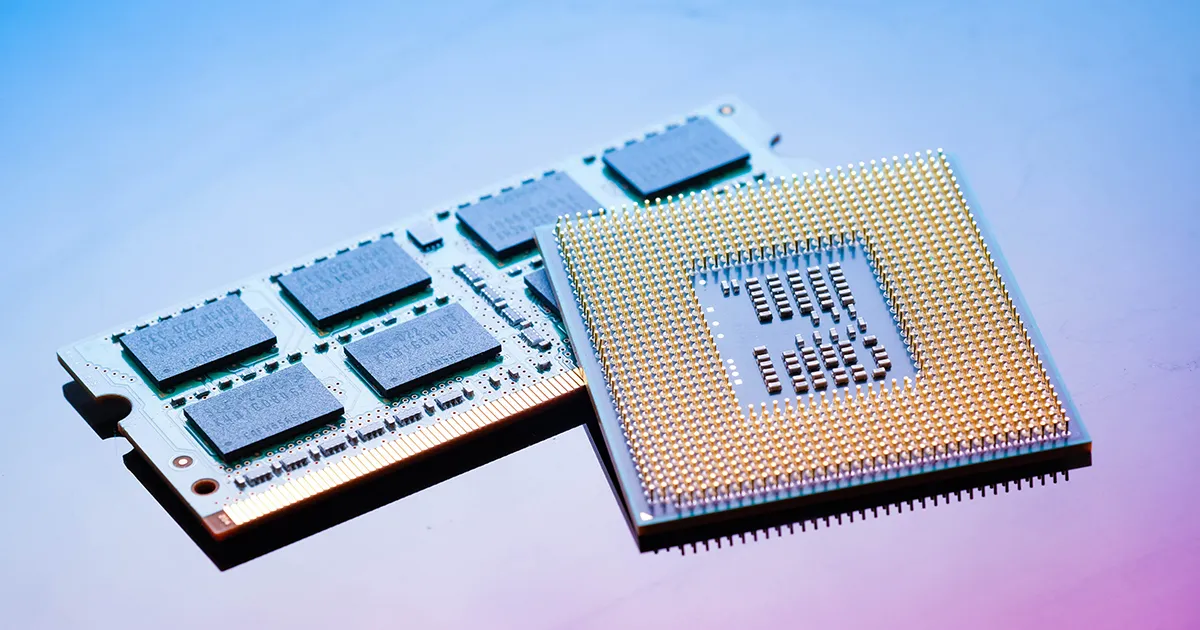
AI’s rapid buildout is straining key semiconductor and raw material markets.
Rapid expansion of AI infrastructure is altering global materials and semiconductor markets, driving copper demand to record highs and creating unprecedented chip shortages. The global economy itself will likely experience permanent changes because of this booming demand, regardless of whether the AI "bubble" bursts.
Copper prices saw a spike in the early days of the COVID pandemic, as work-from-home models rose. This huge, sustained demand is unlike anything the worldwide supply chain has seen in decades, and prices for end users are only going to keep rising.
AI data centers are pushing copper prices into the stratosphere
Artificial intelligence becoming ubiquitous across industries has triggered a race to obtain materials needed to build sprawling new data centers. None is feeling the heat more than copper. Hyperscale data centers purpose-built for AI model training and inference are becoming unprecedented consumers of copper, and those levels of demand promise to reshape global supply chains.
Recent analysis from U.S. Global Investors lays out how AI data centers can consume up to three times more copper than a traditional data center (up to 50,000 tons per facility). From power distribution units to cooling infrastructure and high-density cabling, these facilities are copper-intensive at every level.
With projects like OpenAI’s $500 billion Stargate initiative ramping up alongside global AI adoption, copper demand is poised for exponential growth.
Industry forecasts suggest that by 2030, AI-related copper consumption could exceed 500,000 metric tons annually. That’s equivalent to nearly two percent of the world’s current production. With hyperscale buildouts underway in the U.S., Europe, and Asia, the firms behind them are already pulling forward copper orders to hedge against future shortages.
Over the coming years, copper supply will increasingly fall under the microscope. Mining the red mineral is capital-intensive, slow to scale, and geographically constrained. While prices and demand are skyrocketing, output isn’t following suit.
Many of the world’s largest producers, from Chile to Peru, face operational headwinds due to labor strikes and environmental permitting delays. The result is a widening chasm between demand growth and supply capacity, leading analysts to warn that a major copper deficit will likely form before the decade’s end.
Beyond AI campuses, copper is needed for electrification initiatives, grid upgrades, and renewable energy projects. Notably, these industries are also scaling up in parallel with the AI boom, even if they don’t grab as many headlines. As this convergence intensifies competition for a finite amount of copper, procurement strategies will continue to edge into more defensive postures.
What makes this trend concerning is that simply throwing money at the problem isn’t a viable solution. While data center projects will move forward whether copper prices are at today’s levels or 10x more expensive, there is only so much supply to go around.
Fortunately, data from the U.S. Geological Survey shows that we aren’t close to fully tapping Earth’s copper resources. The agency estimates some 48 million tons of copper are waiting to be mined beneath U.S. soil. That’s enough to supply the country for decades to come.
But bringing new copper mines online to extract those resources takes time. The U.S. averages 19 years from discovery to production for new copper mines, a figure ranking among the longest in the world. While other countries can get new operations online faster, the process still takes years. Given the pace of AI advancement and the demand for copper-hungry data centers, those timelines are an eternity.
Without significant advancements in copper production, AI infrastructure ambitions may outpace material reality. Supply constraints are a strategic challenge today’s stakeholders must address. As companies bet their futures on AI, they must now account for the copper that underpins the entire industry and may decide the fate of this generation’s greatest tech race.
The global memory shortage will be rough for consumer electronics
Copper isn’t the only commodity affected by the boom in AI infrastructure demand. The memory market is also feeling the pain. As hyperscale buildouts siphon away enormous volumes of DRAM and NAND flash from traditional markets, prices have soared and consumer electronics makers have been pushed into a supply crunch that could stretch deep into 2026.
Exploding demand for high-bandwidth memory (HBM) to support generative AI workloads is at the core of the imbalance. As hyperscalers race to scale their training clusters, memory has become a critical bottleneck. Supply chains around the world are struggling to keep pace with the shift.
According to data from IDC, memory output growth in both DRAM and NAND remains well below historical norms. Rather than ramping up production for consumer-grade memory, major producers have shifted their focus to HBM and high-capacity DDR5 chips that cater to enterprise buyers. With their higher profit margins and demand levels guaranteed to sell out capacity even a full year in advance, pivoting to focus on AI-centric products has been a sensical move.
However, it has also resulted in a ripple effect across adjacent markets. Smartphones and PCs, two of the largest end-markets for DRAM and NAND chips, are already seeing margin pressure as component costs rise and supply availability tightens. IDC expects average selling prices for consumer devices to climb, a move inverse to shipment volumes.
For PC manufacturers, particularly in the value and mid-range tiers, the cost of memory is increasingly unmanageable, forcing some to reduce production or cut features to preserve price points. This is a sharp reversal from the dynamics of 2022–2023 when a glut of memory drove prices down and helped buoy consumer sales amid inflationary pressures.
Now, allocation is tilting decisively toward enterprise buyers, especially cloud providers and AI-first platforms. These buyers not only purchase at scale, but often lock in long-term agreements, leaving consumer-focused OEMs scrambling for leftovers in a tightening spot market.
Looking forward, the 2026 semiconductor market will continue to reflect a hastening global reorientation around AI-centric production. Memory fabs are ramping up to meet AI needs, but unless additional capacity is brought online specifically for consumer markets, shortages and price instability will persist.
For procurement teams navigating this challenge, strategic sourcing is essential. Sourceability mitigates memory-related risks by leveraging our global network of suppliers and real-time market intelligence to help customers secure DRAM and NAND inventory ahead of volatility. This can reduce exposure to price spikes and protect production timelines in an uncertain market.
Ultimately, the current memory shortage and the looming copper crunch both tie back to AI. With the technology showing no signs of slowing down or the bubble bursting, organizations across industries will be forced to reevaluate their sourcing strategies, budgets, and product planning as we kick off the new year.