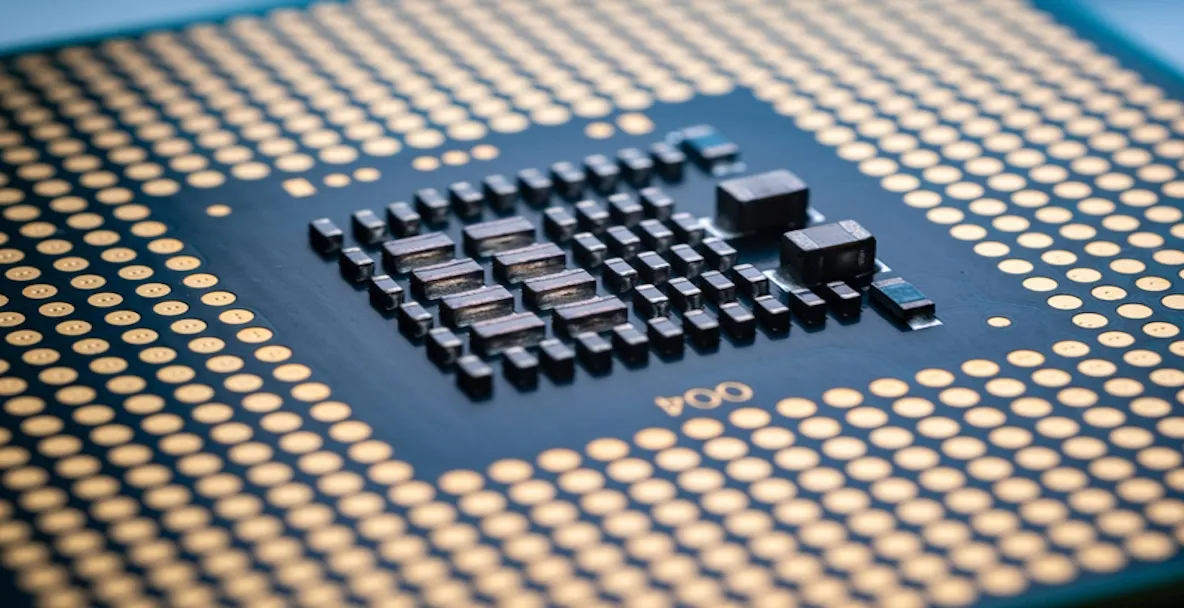
The memory shortage is driving higher costs for buyers and consumers
As memory availability tightens, pricing pressure is accelerating across the supply chain, with Samsung, Micron, and SK Hynix now prioritizing AI-focused production and allocation-only contracts.
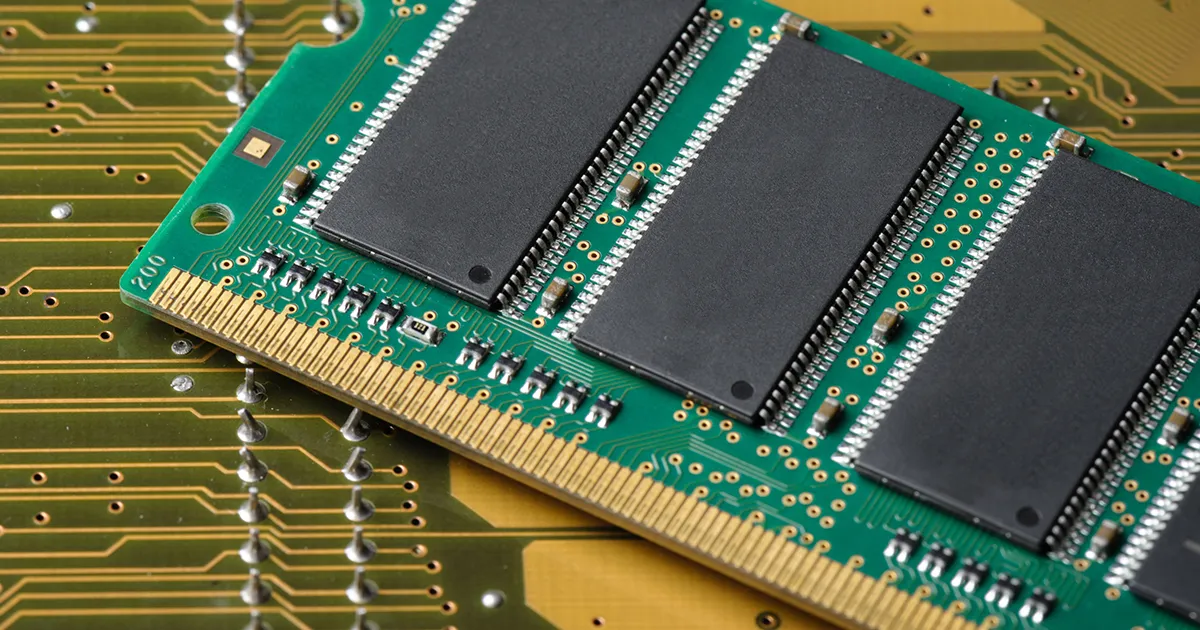
After years of stable or declining prices amid a leftover glut from the global semiconductor shortage, the memory market has flipped. AI demand and shifting strategies are driving sharp price increases that OEMs can no longer absorb quietly. The result: higher costs for buyers and rising prices for consumer electronics in 2026 and beyond.
Why are memory prices rising so fast?
What’s different this time around is that suppliers aren’t racing to restore balance to the market. The leading DRAM and NAND producers are pursuing margins over volume by redirecting investment and fab capacity toward high-bandwidth memory (HBM) and other AI-optimized products.
In doing so, they are tightening supply of commodity memory for the rest of the electronics value chain. The ripple effects of these decisions are already being felt, but experts believe they will only worsen in the months ahead.
Supply constrained by design
Samsung, SK Hynix, and Micron together control more than 95% of DRAM production and a dominant share of NAND output as well. In recent months, this trio has pivoted to a capacity management strategy that caters to buyers in the AI sector while also stabilizing pricing and boosting margins.
According to TrendForce data, these decisions have already delivered results. Gross margins for SK Hynix and Samsung’s memory divisions reportedly exceeded even TSMC’s in Q4 2025. That’s a dramatic reversal from the memory glut of 2023-2024 when prices plummeted amid oversupply and soft demand.
Allocation favors the biggest buyers
HBM is now the centerpiece of supplier strategy. Demand is exploding thanks to rapid AI infrastructure buildouts by hyperscalers and government-backed AI programs. SK Hynix, in particular, has aligned its roadmap around this trend. As Tom’s Hardware notes, the company now earns a staggering 70% operating margin on HBM products, compared to razor-thin profits on commodity DRAM.
This shift means fewer wafer starts for DDR4, DDR5, and NAND, especially at older process nodes. As major manufacturers continue to reallocate fab capacity to prioritize high-value AI customers, legacy memory products and the buyers reliant on them are being pushed out.
Fewer suppliers, stronger pricing power
With only three major suppliers controlling the lion’s share of memory production, the market has always been prone to volatility according to their whims. But current dynamics have made pricing coordination among this “big three” even more effective.
With AI demand gobbling up supply, there is little incentive to ramp output. Instead, these memory titans are sticking to a disciplined approach that keeps prices high and maximizes profitability in the face of insatiable demand.
The DDR4 wind-down is accelerating cost pressures
Compounding the problem, the sunset of DDR4 is arriving faster than many expected. As manufacturers prioritize newer generations like DDR5 and other HBM products, DDR4 production is in decline. This leaves legacy systems with limited upgrade paths and little time to adjust.
Scarcity among DDR4 components is inflating prices, with TrendForce noting that DDR4 has become more expensive quarter-over-quarter despite its “older” status. For many legacy and industrial applications, there simply is no substitute, which makes swallowing these price hikes unavoidable.
What this means for buyers and procurement teams
The memory shortage is having an immediate impact on procurement teams across industries. As buyers navigate shorter pricing windows, shrinking inventory, and widening price gaps between contract and spot markets, choosing the right strategy can make or break production lines.
Memory now represents a larger share of the total BOM, especially in consumer electronics where DRAM and NAND account for a significant portion of system costs. According to IDC, supply tightness is already forcing smartphone and PC manufacturers to adjust production and pricing strategies, with expectations of unit price increases in 2026 due to constrained supply and cost pressures.
Meanwhile, suppliers are tightening validity periods on quotes. For buyers used to quarterly pricing windows, this requires faster decision-making and closer coordination between sourcing, engineering, and finance.
As spot prices climb, some buyers may also be forced to accept compromises in form factor, capacity, or even authenticity. Scarcity-driven markets tend to attract less-than-savory activity, and memory is particularly vulnerable. Without access to secure secondary channels, organizations face a growing risk of counterfeit or substandard parts entering production.
The consumer electronics impact: Higher prices downstream
As prices continue to rise, OEMs can only absorb so much cost before it reaches the end user. Margins are already slim in many consumer hardware categories, leaving brands with few options. Raise retail prices, reduce component quality, or cut features. None are attractive, and most will result in consumers paying more.
In the PC and smartphone sectors, that handoff is already underway.
IDC reports that retail PC prices could rise by 20% or more in 2026, driven largely by an increase in memory costs. That’s on top of broader inflationary pressures and the fallout of tariffs. Similarly, smartphones are seeing cost inflation that will likely lead to significant price tier shifts or less diversity among available models.
Even modest price increases in memory can have an outsized effect when applied across millions of devices. IDC projects the average selling prices for new smartphones could rise by as much as 8% in 2026 even as the sector contracts by 5.2%.
Why pricing volatility is likely to persist
The bad news for buyers is that today’s memory crunch isn’t a short-term anomaly. The forces driving prices higher are systemic and unlikely to abate anytime soon with manufacturers having no incentive to increase production. Of course, several other factors are also at play, leaving analysts sour on volatility outlooks for 2026.
- AI demand is still accelerating. With OpenAI’s Stargate project and China’s DeepSeek program both scaling up (as well as numerous other initiatives from hyperscalers), demand for HBM and high-performance DRAM will remain red-hot for the foreseeable future.
- Capacity expansion is lagging. Memory fabs are capital intensive and slow to build. While companies like Micron and Samsung are investing in new capacity, much of it is focused on advanced packaging or AI-specific nodes. Even with fast-track initiatives, meaningful new output won’t arrive until late 2026 or beyond.
- Technology transitions are adding friction. With massive margins for HBM products, it becomes hard for manufacturers to justify producing commodity DRAM that barely breaks even. That transition will continue to strain the system, resulting in fewer legacy parts, longer lead times, and high costs for anything not aligned with AI applications.
Preparing for a high-cost memory market
To navigate this difficult memory environment, procurement teams need to shift from reactive to proactive planning. The new normal is one of volatility, and now is the time to start taking steps to meet these challenges. As the memory crunch continues, consider:
- Early lifecycle planning: Teams must anticipate memory requirements earlier in the product lifecycle to avoid spot buys and last-minute engineering changes.
- Diversified and proactive sourcing: With traditional allocation channels drying up, buyers should proactively explore alternative sources that offer authentic, traceable memory components. Strategic sourcing partnerships and vetted global distributors can provide critical resilience.
- Market intelligence to predict price movements: Waiting for the next pricing update to adjust forecasts is no longer viable. Real-time market data, supplier behavior analysis, and capacity forecasts are now vital inputs for product planning and cost management.
Managing memory cost risk with Sourceability
Sourceability helps organizations navigate memory pricing volatility with more than a decade of global sourcing expertise, lifecycle planning support, and risk forecasting intelligence. Whether you need to secure DDR4 before obsolescence, source legacy components, or want early identification of allocation tightening, Sourceability gives you access to verified supply beyond allocation-only paths.
As memory price increases and shortages reshape procurement dynamics in 2026, reliable market intelligence and the right sourcing strategy can keep your operations stable in a sea of disruption.
Read next
See all updates