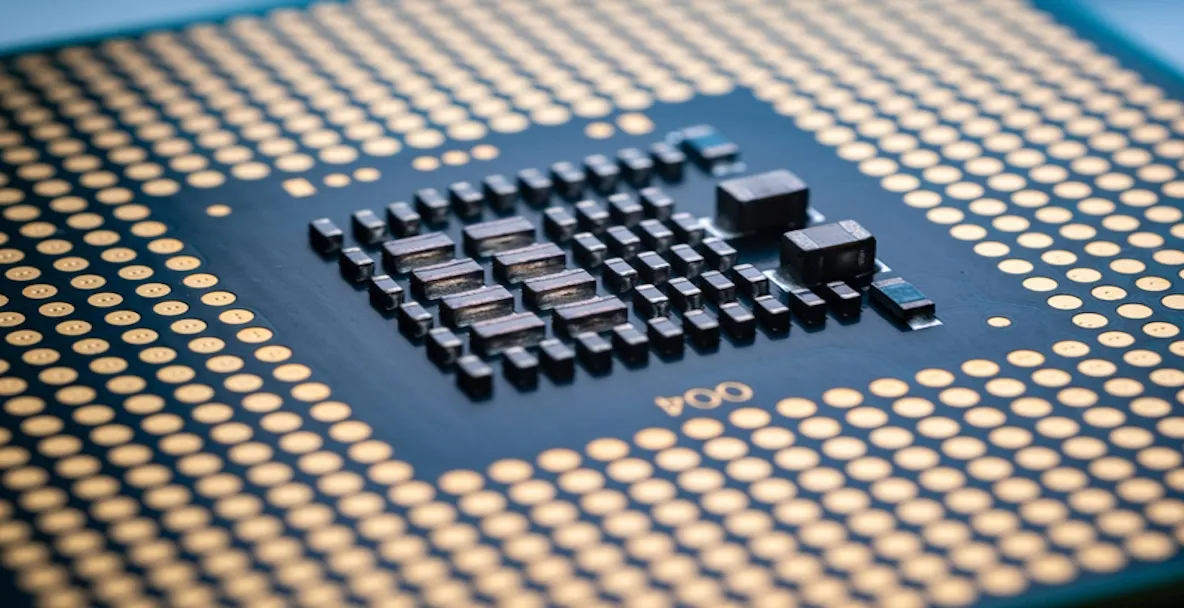
U.S. allows Nvidia H200 exports to China
The U.S. decision to permit Nvidia’s H200 AI chip exports to China, with revenue sharing and regulatory reviews, coincides with a Japan earthquake that spared key Tokyo Electron and Rapidus facilities but raises concerns for Kioxia’s Kitakami fabs.
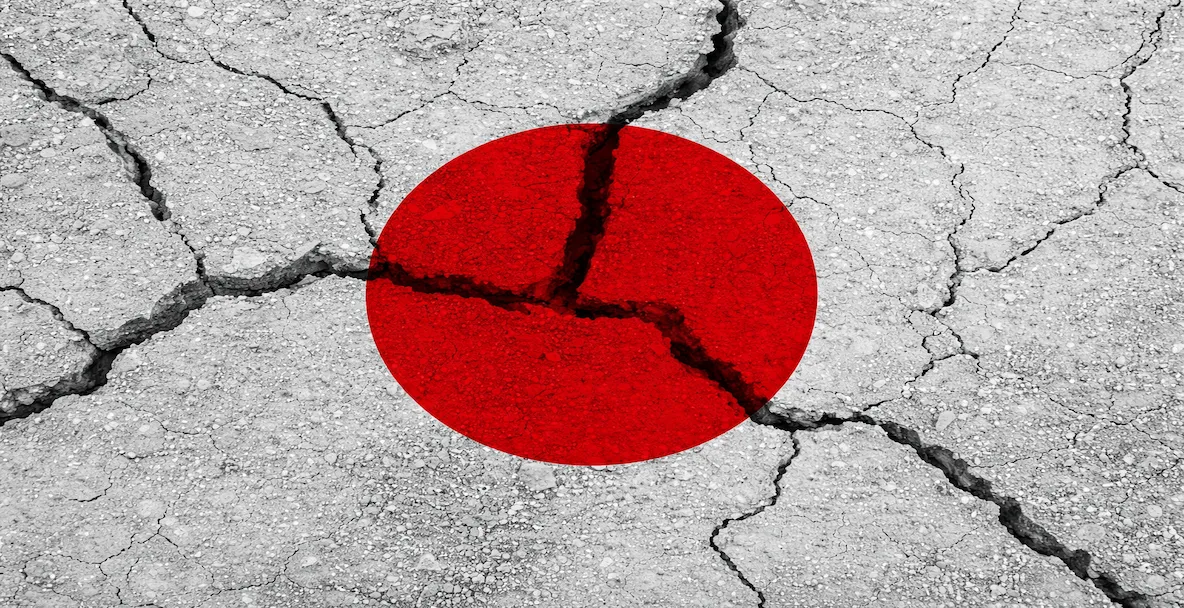
Washington greenlights Nvidia’s H200 China exports even as quake tests Japan’s semiconductor infrastructure.
The U.S. government has reversed earlier export curbs to allow Nvidia’s powerful H200 AI chips to be sold to approved Chinese customers under strict conditions, generating strong interest from major tech firms and debate over security and market impacts. However, the question remains whether they'll even get that far. China continues to encourage domestic chip initiatives and to discourage the procurement of foreign products, such as those from Nvidia.
Meanwhile, a strong earthquake that recently rocked Japan’s Tohoku region has left major chip equipment and fabrication sites largely unscathed. That said, the proximity to key NAND production facilities could have further constrained supply. With the market’s desperation for memory products, one natural disaster could spell disaster for procurement teams.
U.S. opens Nvidia H200 exports to China
In a surprising policy shift, the U.S. government will now authorize Nvidia to export its H200 AI accelerators to approved Chinese customers. The easing of previous restrictions comes at an interesting time for the industry in which geopolitical leverage has been the deciding factor in many key decisions for chip-related commerce.
The announcement, first reported by TrendForce and Reuters, outlines a new framework in which the Department of Commerce allows controlled sales of the H200 while maintaining tighter restrictions over Nvidia’s more advanced Blackwell and Rubin architectures. Keeping the highest-end hardware off limits is designed to ensure U.S. customers have exclusive access to bleeding edge technology while granting Nvidia another entry point into the world’s largest chip market.
Demand for the H200 chip has surged in China, with major cloud providers such as Alibaba and ByteDance reportedly initiating purchase discussions. To capitalize on the momentum, Nvidia is said to be considering a scale-up in production of the H200. However, uptake in China could be limited by local regulators, who are expected to limit access to the chips despite U.S. approval.
This market opening also comes with rigid financial strings attached. U.S. authorities will impose a 25% tax on transactions involving H200 exports to China. The rule underscores Washington’s desire to capture value from sensitive technology sales while maintaining a competitive edge and strict oversight. Furthermore, each deal will be subject to case-by-case approval to ensure ongoing scrutiny.
According to a TrendForce report, the H200 chips manufactured in Taiwan will be shipped to the U.S. first for a “national-security screening” before they are passed on to Chinese customers. The logistics of that process have raised questions about the legality of the 25% tax since the U.S. Constitution prohibits export duties. Government officials will therefore need to carefully construct the wording of the arrangement to ensure the fee is collected during import rather than export.
This has also led many to wonder who will be responsible for the fee. As of now, most expect Nvidia to pick up the additional costs, but downstream customers could feel the effects as well. An Economic Daily News report noted that TSMC, who manufactures the H200 chips for Nvidia, did not comment.
For now, U.S. lawmakers are pushing for more detailed explanations of the policy shift and debate continues over how to best handle national security. Balancing economic opportunity with security risk is a problem that will fuel debate in U.S. policy for years to come, especially in the highly sensitive AI sector.
Japan earthquake impact on semiconductor plants
On December 8, a strong earthquake struck Japan’s Tohoku region, sending shockwaves across the semiconductor sector. Fortunately, it appears damage was mostly avoided, but the implications of what could have been put the industry on edge. The incident offers another reminder that geographic clustering of high-value manufacturing comes with increasingly unpalatable risk.
According to TrendForce, core facilities belonging to Tokyo Electron and Rapidus, two crucial players in Japan’s chip sector, reported no equipment damage or operational disruptions. Tokyo Electron’s sites in Ōshū and Miyagi, advanced equipment development and manufacturing operations, remained fully functional. Likewise, Rapidus’ 2nm R&D fab in Hokkaido suffered no structural harm or workforce casualties.
While this news was positive given the importance of these firms to Japan’s national semiconductor ambitions, attention turned quickly to Kioxia’s NAND flash production campus in Kitakami, Iwate Prefecture. Located near the earthquake’s epicenter, the facility appears to have dodged the worst with no formal damage reports emerging. But the proximity to the earthquake’s center has prompted fresh scrutiny from buyers and risk managers alike.
Kioxia, one of the world’s leading NAND producers, has not issued an official status update, but the absence of marked disruption is positive. Yet, the situation could have been much worse. A slight shift in the quake’s epicenter or a change in what time of day it occurred could have dramatically altered the outcome.
Memory supply is already under intense pressure due to rising AI infrastructure demand and tightening inventories. Had the Kitakami plant been forced offline for even a few days, NAND pricing would have spiked while availability became uncertain. Such happenings aren’t unprecedented. Similar market shocks occurred in 2011 after the Fukushima disaster.
As fabs concentrate in specific regions for logistical and ecosystem efficiencies, they also create single points of failure. Earthquakes, typhoons, or even power outages can trigger ripple effects across global supply chains within hours. Procurement professionals and supply chain leaders should treat this event as a live case study in contingency planning for worst case scenario.
In a world where both natural and geopolitical disruptions are growing more frequent, agility and market intelligence are critical to smart sourcing decisions. While the Tohoku quake was fortunately a near miss, the next one may not be.
Read next
See all updates