The DDR4 paradox: Why legacy memory prices are rising faster than DDR5
Despite being a legacy technology, DDR4 pricing is accelerating faster than DDR5, as suppliers reduce production.

For years, buyers assumed older memory would be cheaper and easier to source as generations matured. That logic held through multiple DRAM cycles. But DDR4 is proving the opposite.
Instead of softening as it approaches end-of-life (EOL), DDR4 pricing is accelerating at unprecedented rates. With supply tightening and manufacturers solidifying their EOL strategies, DDR4 is even outpacing newer DDR5 in some markets. This unexpected shift has caught many OEMs, EMS providers, and enterprise buyers off guard and has serious ramifications for the electronics components industry.
Why DDR4 pricing is breaking expectations
The current DDR4 shortage is the predictable outcome of supply contraction meeting persistent demand, particularly from players in the AI space. With this, legacy memory pricing norms are poised to be redefined from now until well into the future. But what forces are driving DDR4 costs skyward?
EOL accelerating scarcity
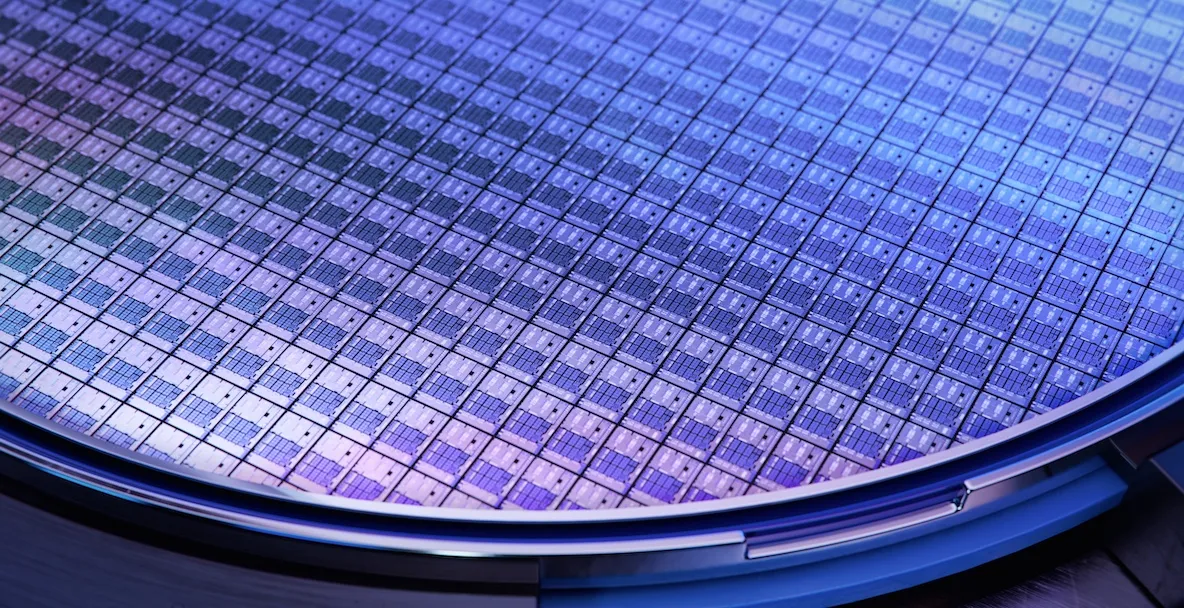
Major DRAM suppliers have made it clear that high-margin products are a top priority. As DDR4 approaches EOL status, manufacturers are increasingly reallocating wafer starts toward more profitable DDR5 and high-bandwidth memory (HBM) products despite the shortage of DDR4.
Once capacity starts moving in this direction, it rarely returns. Historically, mature nodes would linger with sufficient tail production. Today, suppliers are demonstrating far more discipline, which has served to accelerate the scarcity plaguing the market.
AI and HBM crowding out commodity DRAM
The rise of AI infrastructure has permanently altered the landscape for DRAM capacity allocation. High-margin HBM and AI-optimized DDR5 products are absorbing wafer capacity that once served commodity markets at alarming rates.
Hyperscale and data center AI deployments are long-term, capital-intensive projects with massive budgets that can affect the allocation decisions of manufacturers. Once suppliers dedicate capacity to these buyers, it’s unlikely they’ll reallocate it back to legacy memory or non-AI chips unless pricing becomes extraordinarily compelling.
Spot market pressures
With reduced supply available, buyers are pushed into spot market purchases. Here, DRAM prices react fast and aggressively. As buyers compete for shrinking available inventory, quote validity periods shorten and brokers gain leverage. Visibility is also lost in this environment, tying the hands of buyers who now must accommodate significantly higher prices often without warning.
Supplier discipline around EOL
Perhaps the most overlooked factor is supplier coordination and discipline. In previous cycles, excess inventory often flooded the channel during transitions. That is not happening now.
Even when EOL timelines are adjusted or receive limited extensions, output is often contractually reserved for strategic customers. Samsung’s move to delay DDR4 EOL to meet the promises of a NCNR contract with a major buyer is one example.
DDR4 vs. DDR5: An upside-down market
Industry analysts have been quick to point out the striking inversion between DDR4 and DDR5 pricing as EOL for the former draws near. Under normal market logic, DDR5 should command higher premiums. Instead, DDR4 prices are climbing faster.
One explanation is that buyers are racing to secure DDR4 volumes before obsolescence risk becomes critical. This forward buying behavior, even bordering on hoarding, compounds scarcity and introduces new layers of chaos into the market that shoot prices even higher.
Meanwhile, while DDR5 benefits from newer (and completed) capacity investments, much of that capacity is effectively pre-allocated. Hyperscalers, AI infrastructure providers, and major OEMs have locked in long-term agreements. DDR5 supply isn’t abundant, but it has been structured and strategically planned for years.
By contrast, legacy platforms are sustaining demand for DDR4 alongside AI and cloud players. From industrial and embedded systems to automotive and networking infrastructure to enterprise hardware tied to older CPU generations, these platforms still need memory components.
Unfortunately, they cannot be easily redesigned. Validation cycles can span years while regulatory approvals and lifecycle commitments often prevent rapid migration. Even when a platform can be redesigned, the costs are often prohibitive.
As a result, DDR4 demand continues to persist even as supply shrinks. Once DDR4 supply contracts beyond a certain threshold or platform migrations accelerate, this trend may reverse. Until then, pricing pressure remains upward.
What buyers are experiencing right now
Across procurement teams seeking DDR4, the symptoms are consistent:
- Rapid quote increases and shorter validity periods
- Difficulty securing consistent volumes
- Forced platform decisions driven by cost rather than design
Many organizations are now confronting uncomfortable tradeoffs. Continue paying escalating legacy prices or accelerate redesign timelines with their own validation and qualification risks? This makes DDR4 exposure a strategic supply chain risk as much as it is a cost problem.
Why DDR4 price pressures won’t ease quickly
Analysts have offered little reassurance that relief from DDR4 pricing volatility will come in the near term. The forces driving this inverted cycle remain firmly in place. Unlike traditional DRAM downturns, this is not a demand-led correction that will naturally rebalance as inventory is digested.
Most importantly, DDR4 demand remains structurally strong across industries that cannot pivot quickly. Aerospace, defense, industrial automation, and medical platforms rely on multi-year component stability. Moving to a newer generation right now simply isn’t possible, no matter how challenging or costly DDR4 procurement becomes.
Second, DDR5 capacity is largely booked by AI and hyperscale contracts. Though availability is starting to expand, more DDR5 output doesn’t meaningfully increase DDR4 inventory for buyers who are restricted to the older generation. As long as AI infrastructure spending persists, there is no motivation for manufacturers to re-expand DDR4 production.
Prepare for prolonged DDR4 volatility
Executives and procurement leaders should assume the current DDR4 shortage represents the early phase of a prolonged volatility cycle. Preparing for this requires proactive action. Some steps to take include:
- Early identification of DDR4 exposure: Map product portfolios to DDR4 dependency and determine which platforms lack redesign flexibility versus those that can migrate within 12–24 months. Clear visibility allows organizations to prioritize mitigation strategies before supply constraints intensify.
- Cost-risk forecasting tied to lifecycle status: Model pricing scenarios based on DDR4’s progression toward full obsolescence, where sharper and more erratic spikes are likely.
- Sourcing beyond allocation-only channels: Standard allocation agreements may not provide sufficient protection in a tightening market. Strategic distribution partnerships, diversified sourcing channels, and forward inventory strategies are increasingly essential to maintain continuity.
For many buyers, the current DDR4 price increase is only the beginning. With EOL drawing nearer and wafer capacity continuing to migrate forward, the most disruptive effects of DDR4 obsolescence may still lie ahead.
Sourceability helps organizations navigate DDR4 volatility through global sourcing expertise, real-time market intelligence, and strategic inventory solutions that extend beyond traditional allocation channels. By combining lifecycle risk analysis with diversified supply access, Sourceability enables customers to secure continuity and control costs even as legacy memory markets tighten.