DRAM price surges aren't the only casualty of AI
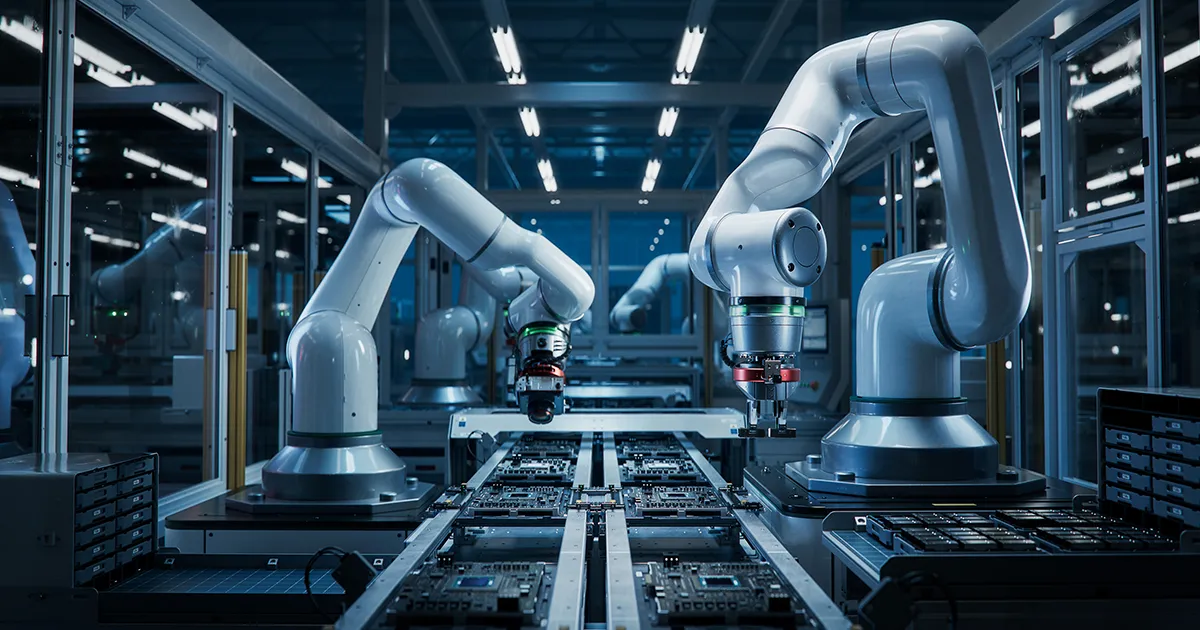
AI’s growth is creating supply shocks across memory and substrate materials.
Massive AI adoption is reshaping the electronic components supply chain, from raw material sectors to final components. The DRAM price surge has been making headlines as AI memory shortages have created a structural unavailability for essential parts that the industry hasn't experienced in years.
Furthermore, this unprecedented level of adoption has spilled over into various upstream industries, affecting raw materials like copper and raising IC substrate fiberglass demand. There is currently a growing shortage of low-CTE glass fiber fabric, an overlooked yet critical component of semiconductor manufacturing for communications.
AI memory shortage has exploded
As AI demand around the world continues to grow, the memory supply chain inches closer to a breaking point. Data center expansion and aggressive model training cycles have redirected vast volumes of DRAM and NAND chips away from traditional sectors. The result is an acute memory shortage that is now reshaping allocation and pricing strategies across the industry.
Contract DRAM prices from major manufacturers like Samsung, SK Hynix, and Micron have spiked by as much as 60% in recent months. These double-digit increases come as hyperscalers aggressively pursue limited amounts of memory inventory and fab capacity.
Of course, the pricing trends aren’t limited to AI-centric chips. Consumer-grade DRAM and NAND markets are also experiencing reduced availability and climbing costs, putting pressure on OEMs producing PCs, smartphones, and other electronics.
As noted by analysts from Bloomberg and Counterpoint Research, the AI frenzy is distorting a delicate balance in the memory sector. Traditional device manufacturers, from mobile phone vendors to PC brands, are being pushed to the back of the line as memory allocation prioritizes AI workloads and large-scale inference engines. Capacity has shifted to premium, high-margin AI memory, while mainstream modules face constrained production and extended lead times.
Looking ahead, analysts believe this cycle of AI-driven demand will persist well into 2026, sparking further shortages and spelling trouble for manufacturers that rely on traditional memory products. Memory makers are already accounting for the AI sector’s hunger for high-performance memory in their demand forecasts, meaning allocation decisions for the year ahead (that have likely already been made) will continue to favor data center and enterprise AI customers.
The ramifications of these decisions will be painful in the consumer device world since most OEMs can’t compete with the momentum behind current AI-first initiatives. Unless memory chip producers are given a reason to move away from high-margin AI products and refocus on consumer-level chips, it’s unlikely the crunch will end in the foreseeable future.
In the meantime, procurement teams must recognize that the current memory shortage is a matter of supply constraints, not just price volatility. Responding in tight markets like this one requires a reliable strategy that delivers supply regardless of unpredictable outside influences.
Sourceability’s global supplier network and analytics-backed sourcing services enable customers to build proactive memory acquisition plans. Through multi-source planning, long-term pricing insights, and early identification of at-risk SKUs, customers can mitigate the effects of ongoing cost inflation and supply crunches while maintaining production continuity.
Rising T-glass substrate demand
The same forces fueling the AI memory megacycle are also straining another pillar of semiconductor production: IC substrates. As AI accelerators become more complex and power-hungry, advanced packaging requirements are stimulating demand for high-performance materials like T-glass.
This low-CTE glass fiber fabric is engineered for dimensional stability and thermal resilience, making it a darling of the AI industry’s expansion push. However, with a once-niche material falling into the spotlight of a global tech arms race, it’s also become a new bottleneck for the supply chain.
AI chips rely on sophisticated 2.5D and 3D advanced packaging technology to power model training and edge inference. The architectures behind these chips require substrates capable of handling high interconnect density, thermal stress, and signal integrity demands.
T-glass, with its ultra-low CTE and mechanical properties superior to other glass fiber materials, is fast becoming the substrate of choice for high-bandwidth memory (HBM) stacks and AI accelerators. However, demand for T-glass has quickly overwhelmed the upstream supply of low-CTE fiberglass cloth, a key input for T-glass production.
TrendForce and Digitimes both highlight how constrained substrate fiberglass supply is cascading through the IC packaging supply chain. With raw fiberglass availability limited, lead times for both substrate manufacturing and back-end assembly have extended well beyond historical norms. The result is rising prices for both finished substrates and the glass fiber cloth itself. Increasingly, those costs are being passed down to second-level manufacturers and OEMs.
Major players in the niche, including Kinsus, have announced capacity expansions to meet growing demand. However, ramping up T-glass production is capital- and time-intensive, leading to many forecasts suggesting tight supply will be the norm for much of 2026. With companies like Nvidia and AMD locking in long-term substrate contracts to secure capacity, smaller and mid-sized firms may find themselves out leveraged.
For now, Japan’s Nittobo controls the lion’s share of the T-glass market, making it a vital linchpin to the AI ambitions of giants like Nvidia, Google, Microsoft, and Amazon. Glass fiber producers in Taiwan, including Taiwan Glass and Fulltech Fiber Glass, are also poised to ride the demand wave as the industry races to catch up.
Over the past year, AI adoption has revealed a new class of component scarcity in packaging and substrate layers. Companies downstream in the electronics supply chain risk cost inflation and being deprioritized entirely as the deep pockets of AI players dictate the flow of supply.
Sourceability helps customers map these upstream vulnerabilities and locate alternative materials or suppliers with less risk. As procurement becomes a game of lead-time mitigation and allocation priority, diversified sourcing strategies and early-warning inventory signals are essential tools for staying ahead.


