A closer look at what Nvidia's leadership change means for chips

Persistent rare earth shortage and NVIDIA's leadership transition are increasing uncertainty across global semiconductor supply chains.
Global semiconductor supply chains are facing renewed geopolitical pressure as trade agreements struggle to restore reliable access to critical manufacturing materials. One year after the U.S. and China reached the Busan Agreement, Chinese rare earth exports to the United States remain approximately 75% below pre-restriction levels. Despite multiple diplomatic agreements meant to ease restrictions, stateside manufacturers are still facing material shortages.  

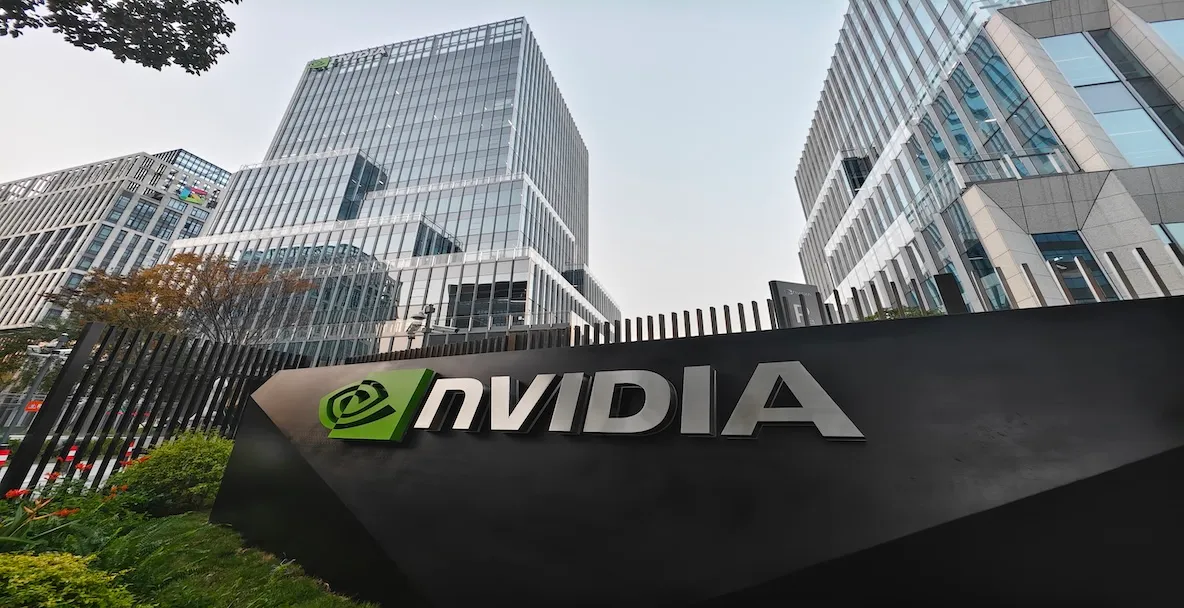
As the U.S. struggles under trade pressure, policymakers are intensifying scrutiny of advanced AI chip exports to China after allegations involving NVIDIA’s former CEO, Jensen Huang. Senators are calling for tighter export controls as officials also investigate accusations of circular investments within the AI industry. How these situations will impact the broader market in the long term has yet to be seen, as many adopt a wait-and-see approach.

NVIDIA leadership changes intensify AI chip export uncertainty

NVIDIA entered November facing pressure on two fronts and the path ahead is full of uncertainty. On November 9, Senators Elizabeth Warren (D-Mass.) and Jim Banks (R-Ind.) of the Senate Banking Committee issued a joint statement calling for tighter controls on advanced AI chip exports to China. Three days later, NVIDIA co-founder Jensen Huang resigned from a 33-year stint as CEO, president, and board member, effective immediately. As of November 23rd, Huang has been reinstated as CEO of NVIDIA.

The senators’ statement builds on earlier bipartisan requests for the Department of Commerce to conduct a full national security review and reconsider NVIDIA’s export licenses. In it, the lawmakers also claim that NVIDIA has reportedly secured approval to ship hundreds of thousands of advanced AI chips to China.  

Huang’s reported relationship with a suspected Chinese intelligence operative also drew attention from lawmakers. They called on NVIDIA to explain whether that relationship was connected to the company’s activity surrounding export controls. In addition, the senators urged Congress to pass the AI Overwatch Act through the National Defense Authorization Act (NDAA) and asked the Commerce Department to close export control loopholes immediately.  

According to Financial Times, Huang’s resignation stemmed from the scandal over extramarital affairs rather than chip exports.  

For the wider AI industry, questions linger. The Financial Times reports that Huang personally worked on hundreds of billions of dollars of NVIDIA’s investments across acquisitions, equity, and lease guarantees. The company also has committed $36 billion to buying compute capacity from small- and mid-size cloud computing providers, allowing them to borrow against these contracts to buy NVIDIA hardware.

Meanwhile, the export question also remains open. If the Commerce Department or Congress acts on the senators’ requests, fewer Chinese customers would qualify to buy advanced U.S. AI processors. Additional restrictions, if adopted, would dramatically shift how the remaining supply is allocated and send ripples through the chip industry.  

China’s rare earth restrictions persist despite trade agreements

When Presidents Trump and Xi reached the Busan Agreement on October 30, 2025, it was presented as a reset for critical mineral supply in exchange for U.S. tariff reductions and a pause on certain semiconductor export controls. However, China retained its underlying export licensing requirements, allowing Beijing to control which shipments of rare earths and other key inputs are greenlit and where they go.  

Before the agreement, the U.S. imported an average 76.8 metric tons per month of rare earth compounds and metals from China between June 2024 and March 2025. From November 2025 through September 2026, that average fell to 19.3 metric tons, a drop of nearly 75%.  

Certain heavy rare earths saw even steeper declines. U.S. yttrium imports totaled 333 tons in the eight months before China’s April 2025 restrictions and just 17 tons in the eight months that followed, a 95% decline.  

Yet, globally, China’s total exports have held steady as shipments are rerouted to other countries. Exports of covered rare earths fell only 2.5% in the 10 months after the Busan Agreement, while combined shipments to the U.S and Japan dropped 58%. Exports to all other countries rose by about 146%.  

Japan’s exposure increased further following additional restrictions from Beijing introduced in January 2026, a move widely viewed as retaliation for Prime Minister Sanae Takaichi’s remarks on Taiwan. It saw its rare earth imports from China decline by approximately 68%.  

As of now, U.S. companies are already reporting shortages. In February 2026, chipmakers experienced shortages of scandium, and sought U.S. government assistance to obtain Chinese export licenses. Constraints on materials like scandium and yttrium affect fab output as well as maintenance operations.  

Beyond semiconductors, the Internal Energy Agency estimates that China’s expanded rare earth controls could place approximately $6.5 trillion in annual downstream production outside China at risk. With the current U.S.-China trade truce set to expire on January 10, 2027, the stakes of solving the rare earths chokepoint are massive. Further negotiations between the two nations are expected to take place before the current deal expires.  

In light of unpredictable export controls, access to critical materials in today’s market is increasingly dependent on trade relationships and licensing decisions. Procurement teams often have little visibility into those upstream constraints until they surface as sudden price adjustments.  

At the same time, the strategic importance of advanced semiconductor technologies and the role chips play in the broader market are driving governments to seek greater control over exports and access. NVIDIA’s latest controversy is also reigniting discussions about how much influence companies, or even individuals, should have in shaping these policies.


Author of article
Author
Sourceability Team
The Sourceability Team is a group of writers, engineers, and industry experts with decades of experience within the electronic component industry from design to distribution.
Access the latest insights on part availability...
Download lead time report
subscribe
Industry updates

A closer look at what Nvidia's leadership change means for chips

Persistent rare earth shortage and NVIDIA's leadership transition are increasing uncertainty across global semiconductor supply chains.

Sourceability Team
November 23, 2026
6
min read time

Global semiconductor supply chains are facing renewed geopolitical pressure as trade agreements struggle to restore reliable access to critical manufacturing materials. One year after the U.S. and China reached the Busan Agreement, Chinese rare earth exports to the United States remain approximately 75% below pre-restriction levels. Despite multiple diplomatic agreements meant to ease restrictions, stateside manufacturers are still facing material shortages.  

As the U.S. struggles under trade pressure, policymakers are intensifying scrutiny of advanced AI chip exports to China after allegations involving NVIDIA’s former CEO, Jensen Huang. Senators are calling for tighter export controls as officials also investigate accusations of circular investments within the AI industry. How these situations will impact the broader market in the long term has yet to be seen, as many adopt a wait-and-see approach.

NVIDIA leadership changes intensify AI chip export uncertainty

NVIDIA entered November facing pressure on two fronts and the path ahead is full of uncertainty. On November 9, Senators Elizabeth Warren (D-Mass.) and Jim Banks (R-Ind.) of the Senate Banking Committee issued a joint statement calling for tighter controls on advanced AI chip exports to China. Three days later, NVIDIA co-founder Jensen Huang resigned from a 33-year stint as CEO, president, and board member, effective immediately. As of November 23rd, Huang has been reinstated as CEO of NVIDIA.

The senators’ statement builds on earlier bipartisan requests for the Department of Commerce to conduct a full national security review and reconsider NVIDIA’s export licenses. In it, the lawmakers also claim that NVIDIA has reportedly secured approval to ship hundreds of thousands of advanced AI chips to China.  

Huang’s reported relationship with a suspected Chinese intelligence operative also drew attention from lawmakers. They called on NVIDIA to explain whether that relationship was connected to the company’s activity surrounding export controls. In addition, the senators urged Congress to pass the AI Overwatch Act through the National Defense Authorization Act (NDAA) and asked the Commerce Department to close export control loopholes immediately.  

According to Financial Times, Huang’s resignation stemmed from the scandal over extramarital affairs rather than chip exports.  

For the wider AI industry, questions linger. The Financial Times reports that Huang personally worked on hundreds of billions of dollars of NVIDIA’s investments across acquisitions, equity, and lease guarantees. The company also has committed $36 billion to buying compute capacity from small- and mid-size cloud computing providers, allowing them to borrow against these contracts to buy NVIDIA hardware.

Meanwhile, the export question also remains open. If the Commerce Department or Congress acts on the senators’ requests, fewer Chinese customers would qualify to buy advanced U.S. AI processors. Additional restrictions, if adopted, would dramatically shift how the remaining supply is allocated and send ripples through the chip industry.  

China’s rare earth restrictions persist despite trade agreements

When Presidents Trump and Xi reached the Busan Agreement on October 30, 2025, it was presented as a reset for critical mineral supply in exchange for U.S. tariff reductions and a pause on certain semiconductor export controls. However, China retained its underlying export licensing requirements, allowing Beijing to control which shipments of rare earths and other key inputs are greenlit and where they go.  

Before the agreement, the U.S. imported an average 76.8 metric tons per month of rare earth compounds and metals from China between June 2024 and March 2025. From November 2025 through September 2026, that average fell to 19.3 metric tons, a drop of nearly 75%.  

Certain heavy rare earths saw even steeper declines. U.S. yttrium imports totaled 333 tons in the eight months before China’s April 2025 restrictions and just 17 tons in the eight months that followed, a 95% decline.  

Yet, globally, China’s total exports have held steady as shipments are rerouted to other countries. Exports of covered rare earths fell only 2.5% in the 10 months after the Busan Agreement, while combined shipments to the U.S and Japan dropped 58%. Exports to all other countries rose by about 146%.  

Japan’s exposure increased further following additional restrictions from Beijing introduced in January 2026, a move widely viewed as retaliation for Prime Minister Sanae Takaichi’s remarks on Taiwan. It saw its rare earth imports from China decline by approximately 68%.  

As of now, U.S. companies are already reporting shortages. In February 2026, chipmakers experienced shortages of scandium, and sought U.S. government assistance to obtain Chinese export licenses. Constraints on materials like scandium and yttrium affect fab output as well as maintenance operations.  

Beyond semiconductors, the Internal Energy Agency estimates that China’s expanded rare earth controls could place approximately $6.5 trillion in annual downstream production outside China at risk. With the current U.S.-China trade truce set to expire on January 10, 2027, the stakes of solving the rare earths chokepoint are massive. Further negotiations between the two nations are expected to take place before the current deal expires.  

In light of unpredictable export controls, access to critical materials in today’s market is increasingly dependent on trade relationships and licensing decisions. Procurement teams often have little visibility into those upstream constraints until they surface as sudden price adjustments.  

At the same time, the strategic importance of advanced semiconductor technologies and the role chips play in the broader market are driving governments to seek greater control over exports and access. NVIDIA’s latest controversy is also reigniting discussions about how much influence companies, or even individuals, should have in shaping these policies.
Author

Sourceability Team

The Sourceability Team is a group of writers, engineers, and industry experts with decades of experience within the electronic component industry from design to distribution.

Access the latest insights on part availability…

Quarterly data on lead times, pricing direction and supply risk, built for OEM and EMS procurement teams.